

One of the most common questions I get asked is how I take my wildlife images. Of course, there’s no one answer to cover all situations. I could go on forever, discussing different methods and techniques. There are endless choices for gear depending on preferences, budget and your subject. But I’m not going to talk about any of that — at least not this time. Instead, I want to share with you what I’ve found to be the most important things to keep in mind when going out to photograph (or just to observe) wildlife—no matter what gear you’re using.
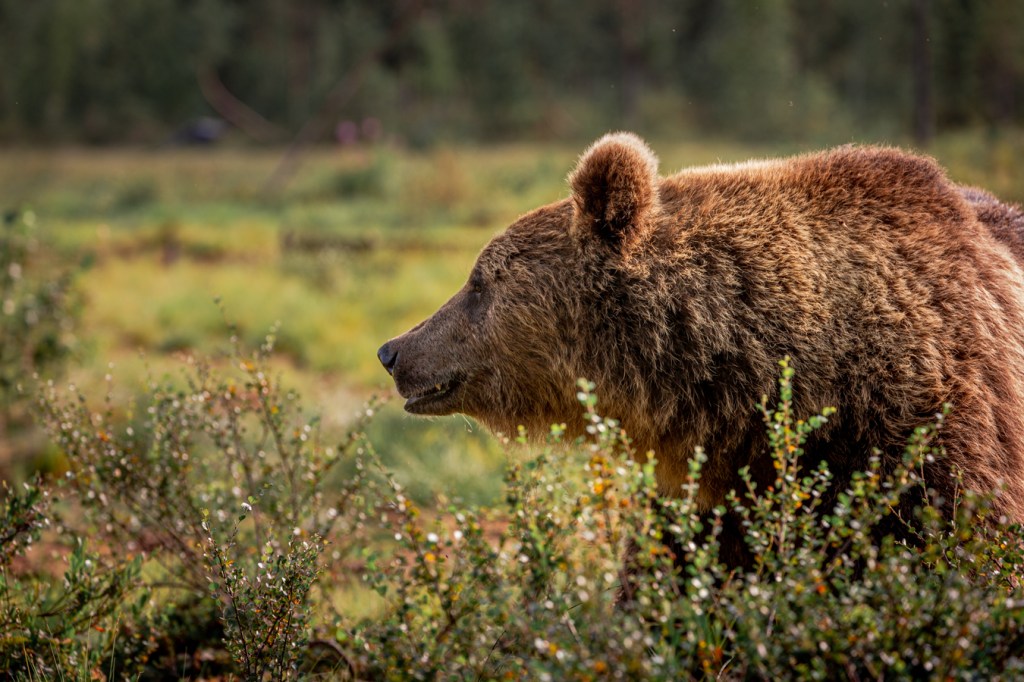
Know your shit. Other than of course, knowing how to operate your camera, I think that being aware of the behaviour and habitats of the animals you’re hoping to photograph is essential. This helps to make educated decisions on where and when to photograph them. Being aware of the animal’s body language allows you to see when they are comfortable or when they start to feel threatened. Making it easier to determine a safe distance for both the photographer and the animal.
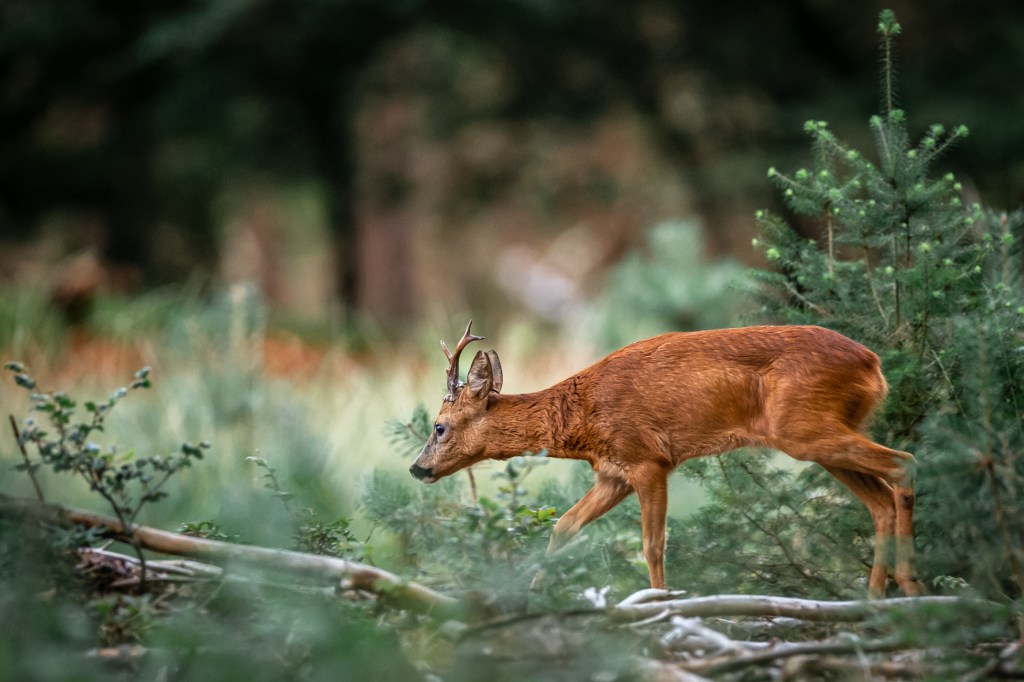
Keep a low profile. I don’t think it’s possible to remain completely undetected by the animals. Most wild animals are elusive, and even the large predators will try to avoid people. And their vision, sense of smell and hearing are way better than ours. The animals I’ve photographed have definitely been aware of me being there. The trick is to try and blend in and avoiding unnecessary or sudden movements while being as quiet as possible. This way, the animals won’t feel threatened, and you’ll be able to observe their natural behaviour and photograph something else than just a furry butt disappearing into the distance.
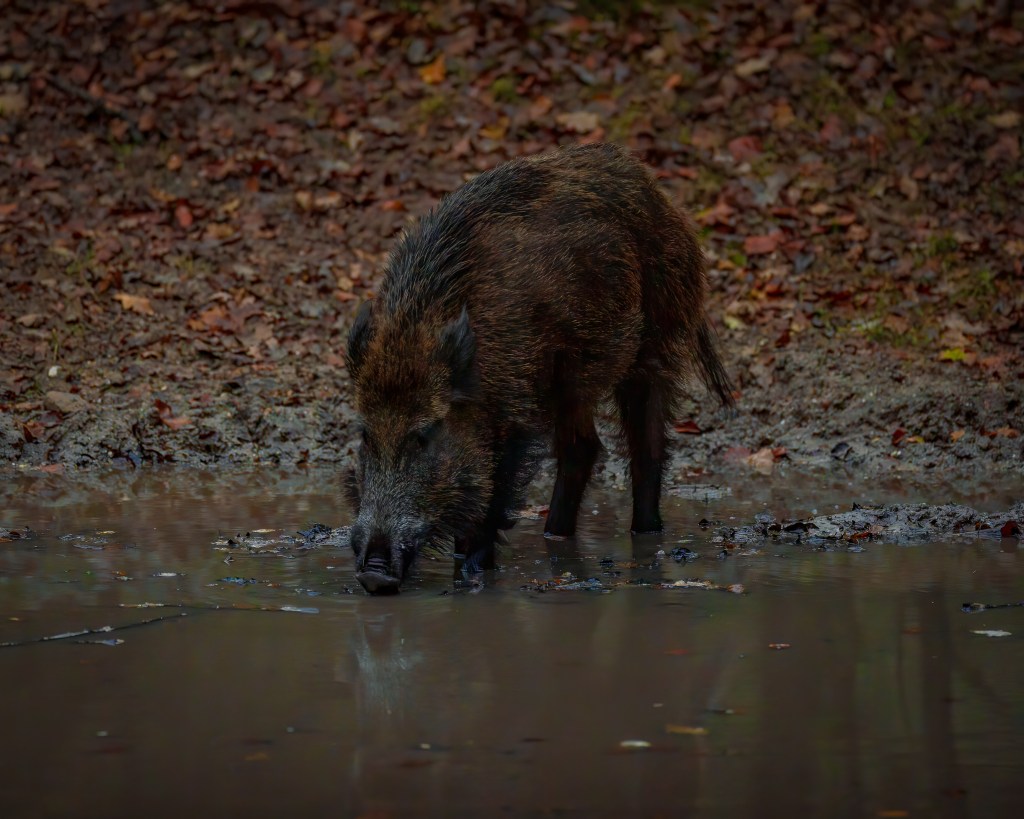
Be patient. Most of my time spent in nature with my camera is time spent just quietly waiting. Sometimes it’s just a couple of hours or less, and sometimes it’s days, and sometimes despite all the research and patience in the world, nothing shows up. It’s not enough to sit patiently for a day or two, but you also need to have the patience to keep on going instead of giving up after coming back empty-handed day after day.
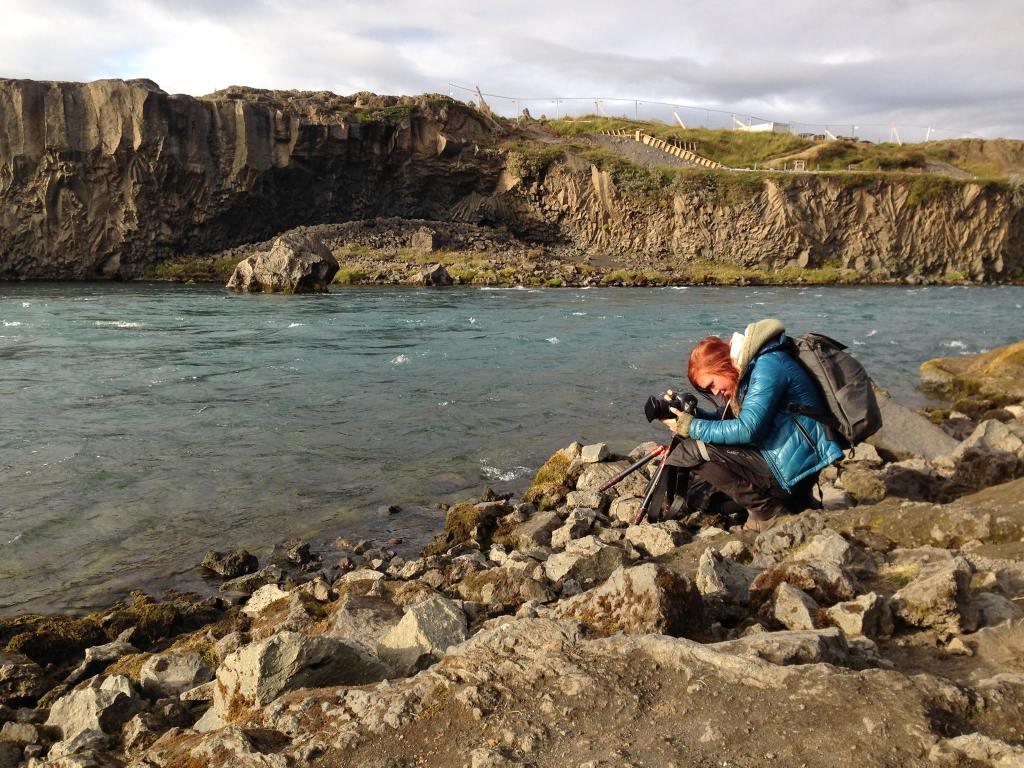
Make yourself comfortable. Wear comfortable clothes that protect you against the elements and are weather appropriate. Unless you’re going out in extreme heat, you might want to consider wearing layers. Even if you don’t think it’s that cold, the cold has a tendency to creep in when you’re sitting still for extended periods. You can always take layers off if needed, but getting cold and not having anything else to put on sucks. And don’t forget to bring snacks and water.
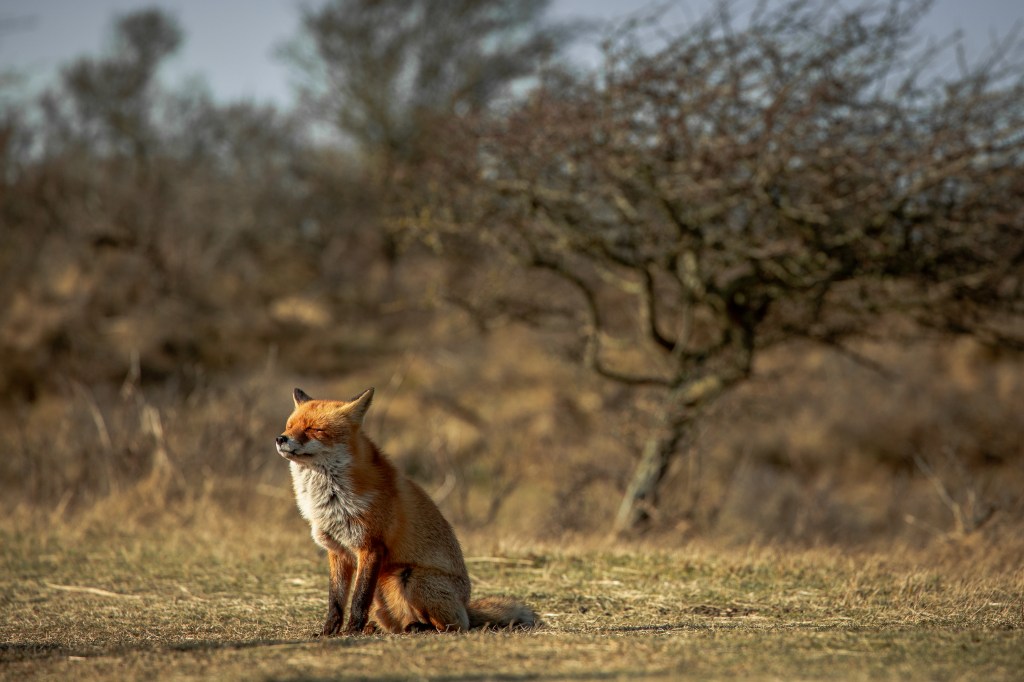
Love the process. It’s not an easy genre to shoot. I actually spend the majority of my time being quite uncomfortable. Wet, cold, or sweaty. Or sometimes all three at the same time. Lack of sleep. Missed meals. Getting eaten alive by insects. And these things happen even when you have actually dressed appropriately. These are all things that have become ordinary parts of my life. And I love it. Being immersed in nature despite all of its possible discomforts already makes me happy. And I’m glad it does because being in love with the process itself is what helps me remain patient and keep on going even when the animals stay out of sight. And when everything lines up, and you come home with a great shot, it feels so much more rewarding when you can appreciate everything that went into getting the image.
 Wild Life
Wonderful creatures! Thank you for the post…
LikeLiked by 1 person