
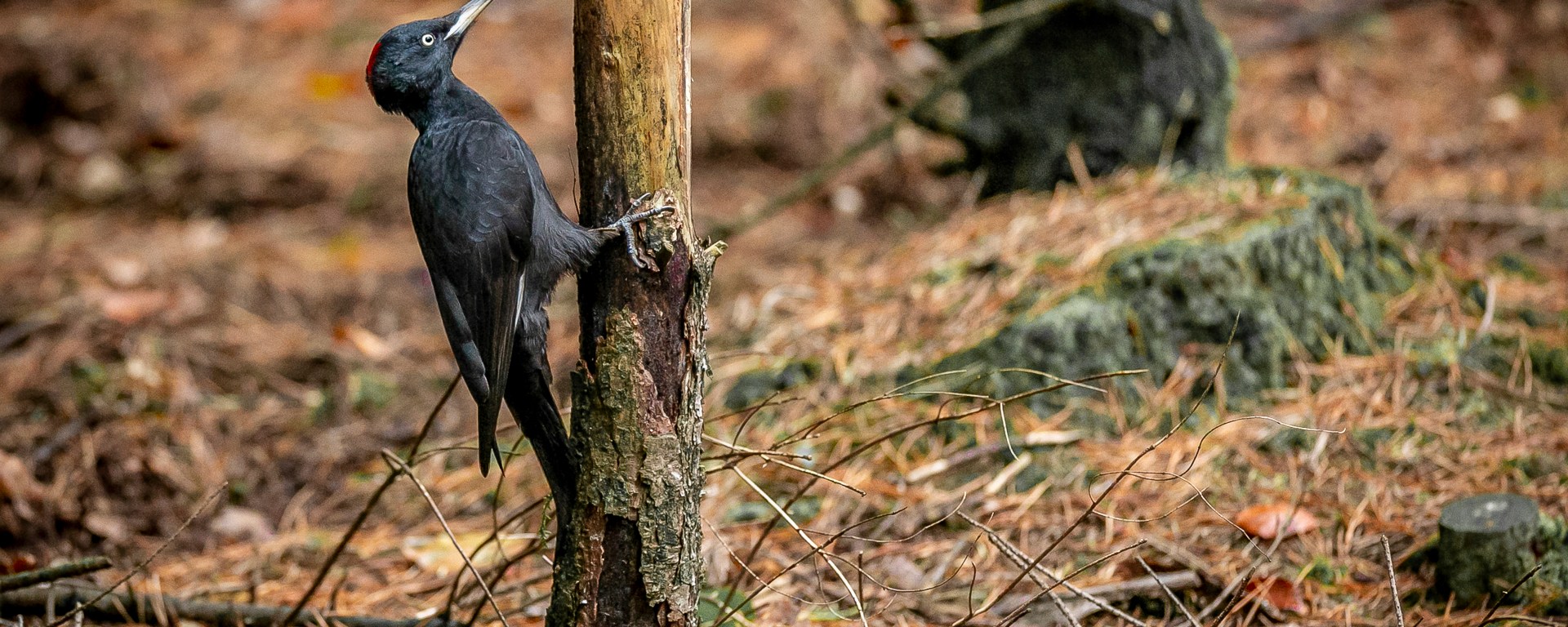
Last week I posted an article on My Top 5 non-photography tips for Wildlife Photography. This week I would like to dive a little deeper onto how to get started with finding some animals. Rather than spending all of your time getting obsessed with learning animal tracks and signs (something I’m currently getting into myself), there’s a much easier option.
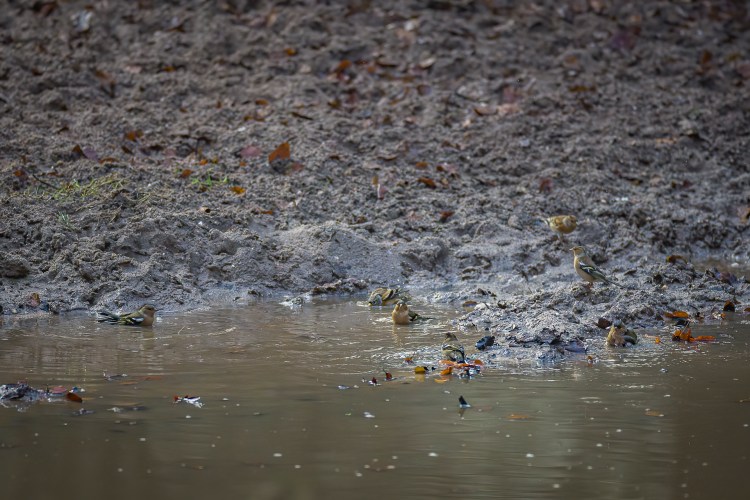
Explore your area and look for a spot that could be frequently visited by wildlife, but doesn’t have too much human traffic. You don’t have to learn tracking to be able to notice if there’s a lot of animal tracks in the ground, which would be a good indication that animals walk around there. An excellent example of a great location would be finding a water source that the animals use. Don’t worry about how fresh the water looks. Most animals are capable of drinking water that would make humans sick. Then, get comfortable, be quiet and start waiting. You could use a blind for extra camouflage, or you can wear clothes that help you blend in.
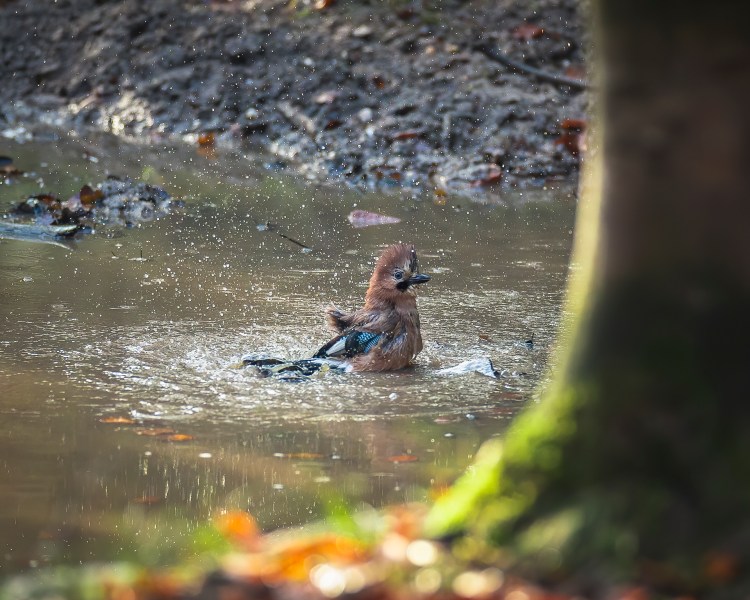
The more time you spend at your chosen location, the better your odds are. Pay attention to everything that is happening and go with the flow. You might be hoping to catch an elusive mammal species coming in for a drink, but the birds coming in to bathe can put on quite the show as well. Besides, they can be damn fast! Keeping up with them will only improve your photography, even if birds aren’t what you want to focus on further down the line.
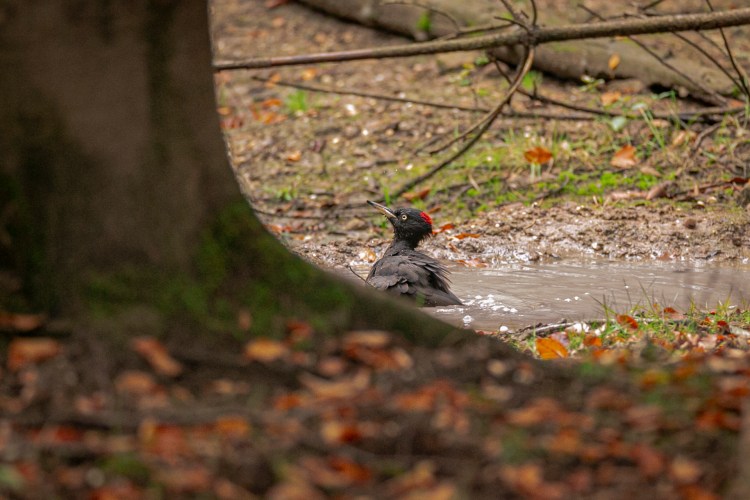
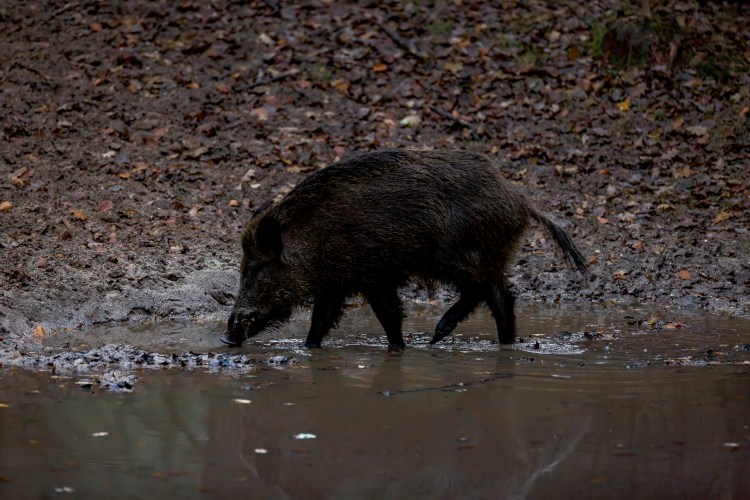
Keep going back! All of these images in this article were taken at the same location, on different occasions. I normally mostly focus on mammals, and it wasn’t until my last visit that I saw some deer and a wild swine visit the location. The deer ran by so fast that they disappeared as quickly as they showed up, but the wild swine stuck around for a brief drink of water. As I mentioned in my previous article, patience really is the key.
Thank’s for reading! If you’re interested in the gear that I shoot my images with and the specific settings that I used, consider checking out my instagram. On every image I post, I also share the equipment and settings I used in the caption.
 Wild Life