

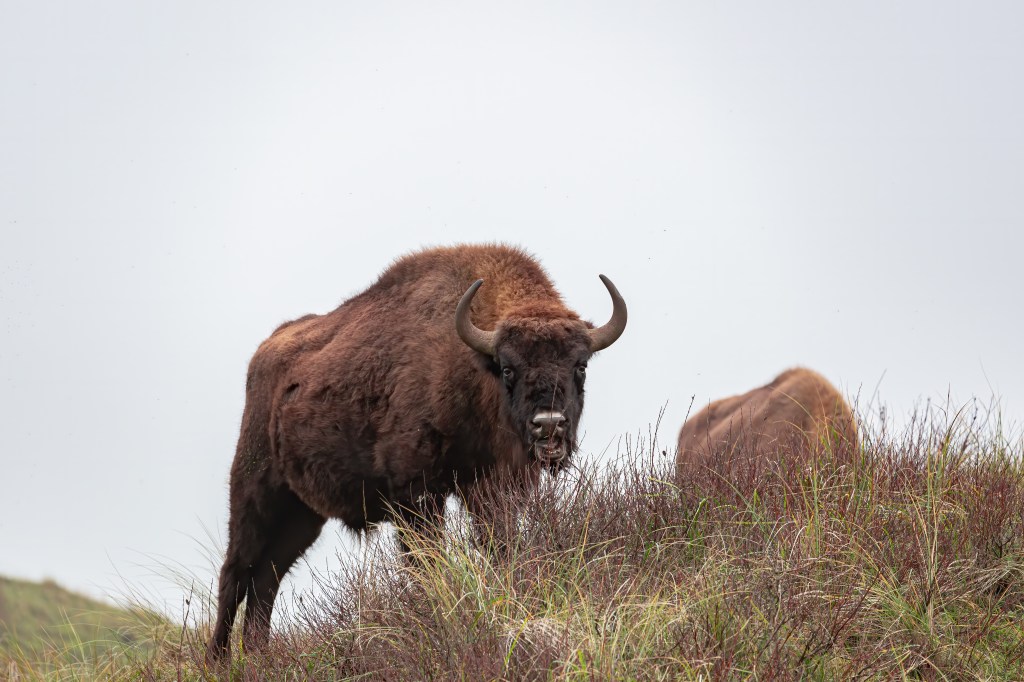
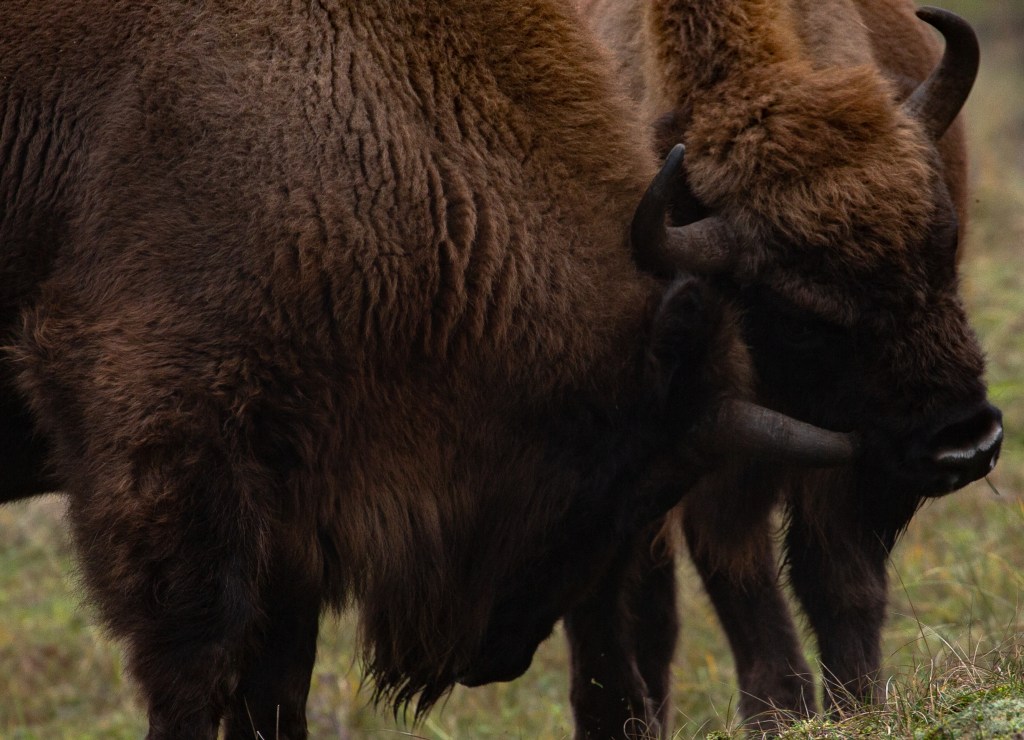
The European bison, or the Wisent, is the largest land mammal that still exists in Europe. Their habitat used to cover large parts of Europe but due to hunting, poaching, loss of habitat due to land cultivation, and competition with domestic cattle, their numbers started to decline. The last wild European bison in the world was killed by poachers in 1927 in the western Caucasus. Fortunately, enough remained in zoos to start a breeding program. Since then the species has been reintroduced into the wild. Although their numbers are rising, their current status is still vulnerable according to the IUCN.
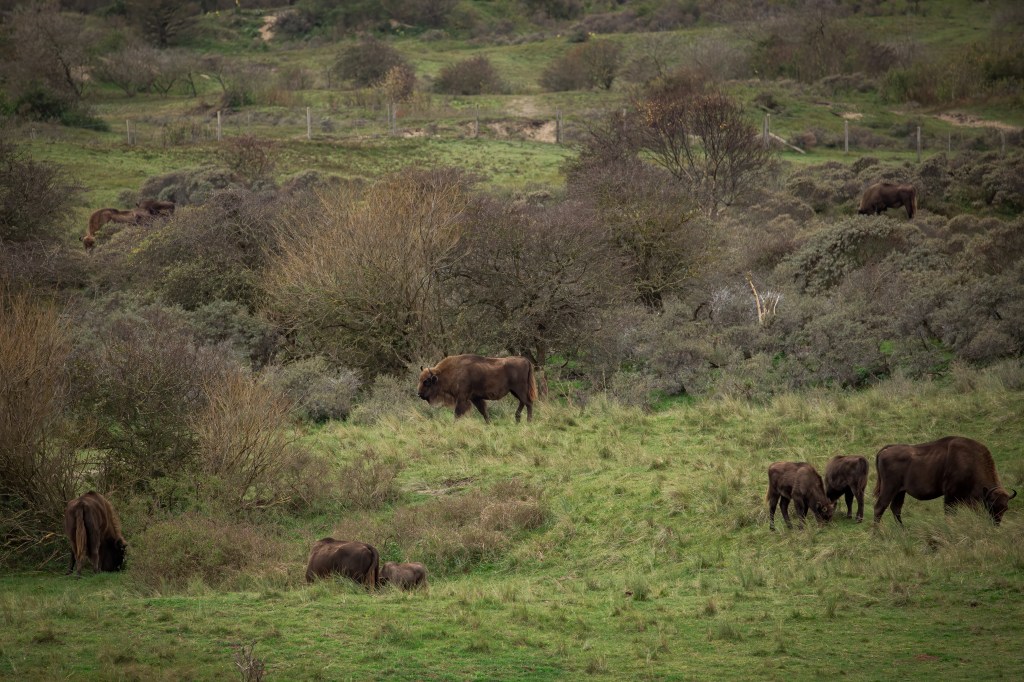
In the spring of 2007, a group of European bison moved to an enclosed area in the dune area of Kraansvlak in the Netherlands. The bison have more than 300 hectares of forest and dunes where they live without supplementary feeding. The goal of the project is to study the bison and their influence on dutch nature and landscape—especially their food strategy, their effects on the sand dune landscape, dune dynamics and dune vegetation.
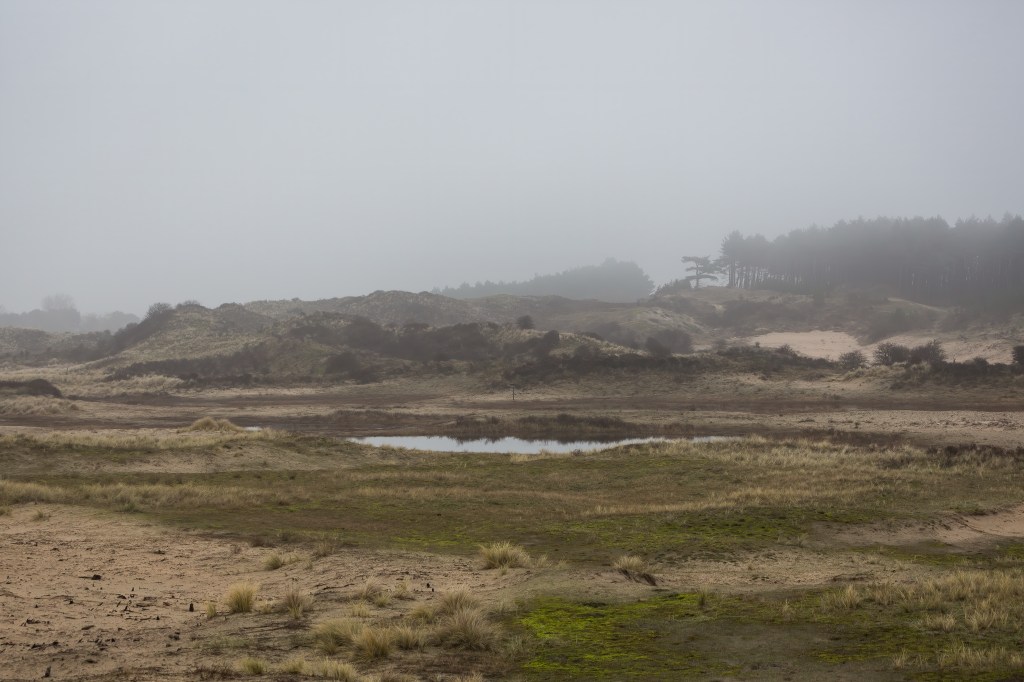
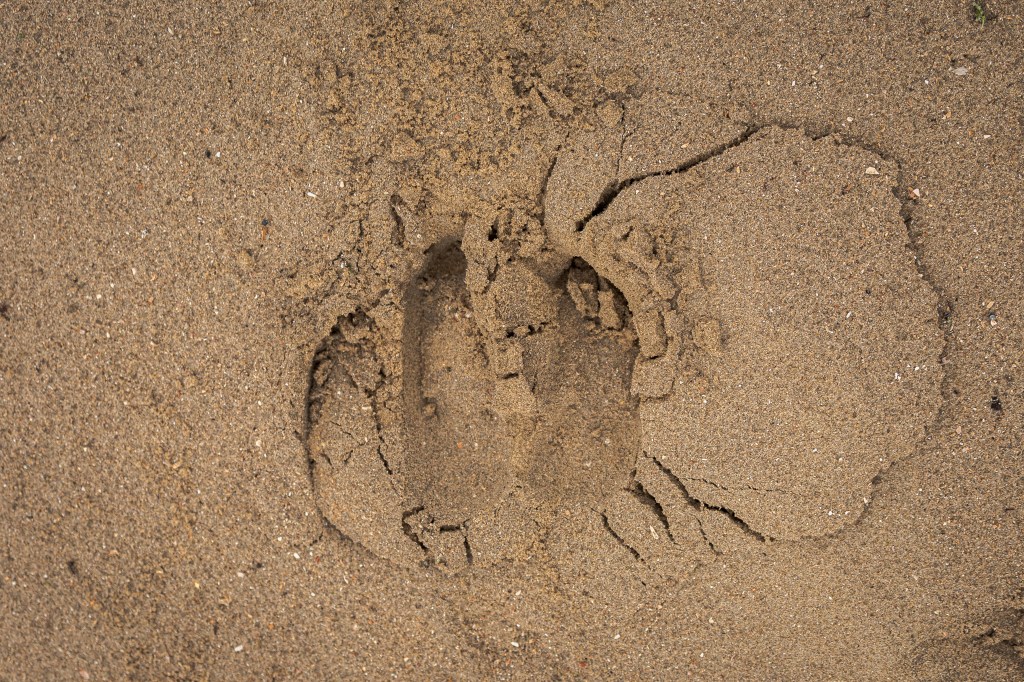
Large grazers like the European bison play an essential role in European landscapes and facilitate a wide variety of other species through their behaviour. They are primarily a grass eater, but they also feed on bushes, bramble and trees. By eating up to 60kg/day, they have a significant impact on vegetation. Insects and reptiles sunbathe and lay eggs where the bison have loosened the sand up by sand-bathing, and numerous plants thrive in these spots as well. Plant seeds get caught on their fur and get dispensed as they roam. Their dung attracts insect species and other organisms. Magpies have been seen acting like oxpeckers and picking ticks off of their fur. Their winter fur is also used by birds as nest-building material. And when they die, scavengers feed on their carcasses. All this makes the European bison a keystone species that keeps open lands open and help to create a healthy landscape mosaic while supporting other species around them.
Until the introduction of the European bison to the Kraansvlak area, ecological research focused on bison that live in forested areas. There wasn’t a lot of information on them living in semi-open landscapes. Also, because at the time virtually in all bison areas feeding during the wintertime occurred, there was a lack of knowledge on foraging and habitat use. Since 2007, the bison and other large grazers have been observed in the area and data was collected in all seasons. The results have been published in the scientific journal Restoration Ecology. The study has provided more knowledge about the European bison and how they compare to other large grazers. The results also indicate that less forested areas without supplementary feeding may be suitable for bison. This is significant because of the vulnerable status of the species, an increase of the bison population is necessary. Adding new areas where these animals can thrive would support this increase.
Other than the interaction between the bison and the landscape, the co-existence with both other grazers and humans is under study. The information and experience gained here provide insight that can be used on the future reintroduction of the species to other natural areas. Also, by exchanging animals with other bison areas, both in the Netherlands and abroad, the bison in Kraansvlak contribute to the conservation of the species.
For more information on the bison in Kraansvlak, visit the project website.
 Wild Life